How to reduce takeout packaging waste when you cannot cook every night
· Editorial team newswithjameschicago.com
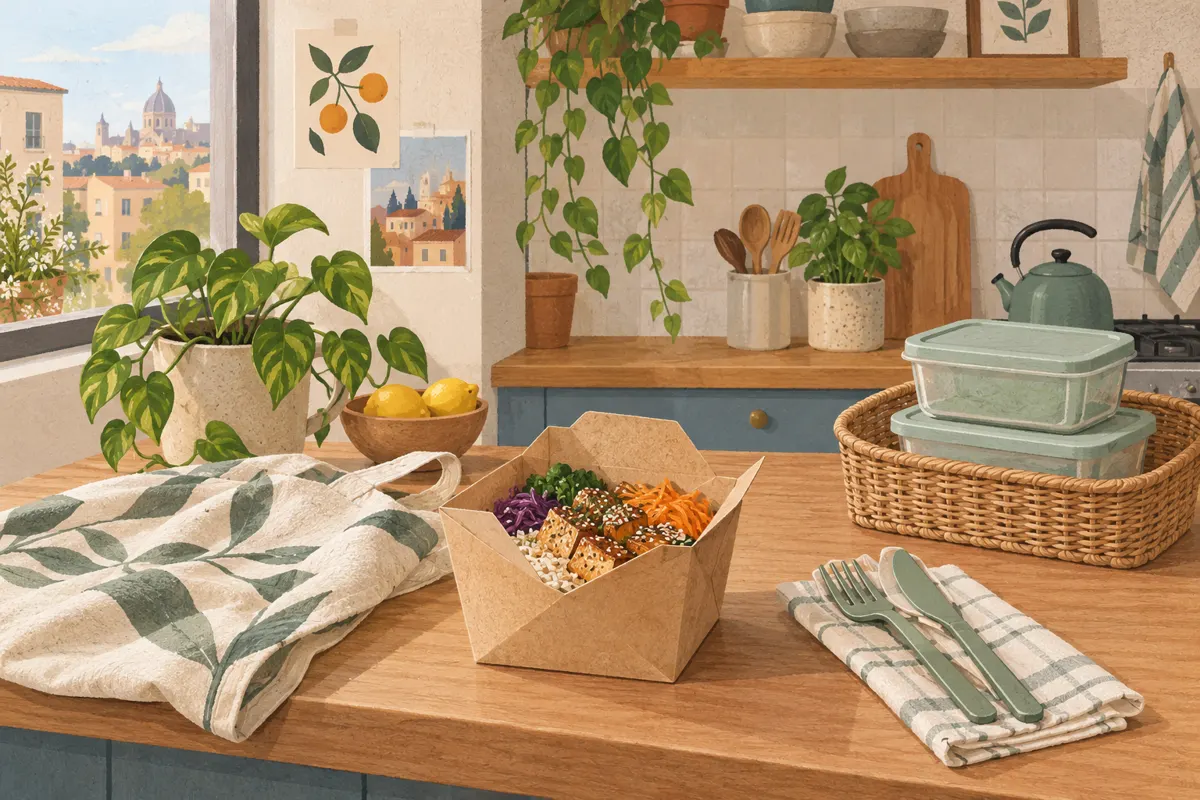
Reduce takeout packaging waste by declining extras you already have, ordering food you will actually eat, checking disposal rules for your building, and keeping only containers with a clear use. You can make these changes while relying on takeout on busy nights. Start with what enters your apartment: fewer unwanted utensils, packets, and containers mean less to sort and store afterward.
Use a short checklist before placing an order
The easiest packaging to deal with is packaging you never receive. Tork’s restaurant guidance recommends making utensils optional and limiting excess napkins and condiment packets. For customers, that translates into checking the extras on every order, especially when an app remembers previous selections.
- Decline cutlery when you will eat at home with your own utensils.
- Skip straws and napkins when you already have what you need.
- Request only the sauces and condiments you expect to use.
- Remove optional side items you do not want.
- For pickup, ask whether you can use your own carrying bag.
If there is a notes field, a simple request is enough: “No cutlery, straws, napkins, or condiment packets, please.” Adjust it to your actual needs. For pickup, confirm the request before the order is packed when possible. Keep any instructions about necessary food separation intact.
Choose portions and packaging together
Reducing waste includes the meal itself. Tork identifies oversized orders and extra items added for promotions or delivery minimums as routes to uneaten food. Before checkout, decide whether you are buying one dinner or deliberately ordering another meal for later.
Our proposal: when several dishes serve the same purpose, choose the combination with fewer separately packaged extras. Ask whether compatible items can share a container, while leaving the restaurant to judge what needs separate packaging to prevent leaks or protect the food. A soup container still needs a secure lid.
Packaging has a useful role in protecting food, and poor sizing or difficulty resealing it can contribute to waste. If you intend to save part of dinner, make room for it before ordering. A planned lunch is more useful than an extra dish bought without a place in your next day’s meals.
Check the disposal rules for your building
For a Chicago apartment, begin with the collection service your building actually uses. Ask your property manager or waste collector where to find its accepted-materials list. The supplied sources do not establish Chicago-specific rules, so use that list to decide where each takeout item belongs.
- Identify the item precisely: a rigid container, lid, film bag, paper carton, or lined cup.
- Find that item on your collector’s recycling instructions, including any cleaning requirements.
- Check whether lids and containers need separate handling.
- For packaging labeled compostable, ask your compost service whether it accepts that exact type.
- If instructions are unclear, ask the collector before choosing a bin.
Save the answers as a short phone note for the packaging you receive most often. Include containers, lids, bags, and sauce cups. This keeps the task manageable without turning a small kitchen into a sorting station. Review the note if your building changes collection services.
Give reusable containers one small home
Our proposal is a one-shelf or one-basket limit for saved packaging. Keep an item only if it has a specific job and fits inside that space. A clean container might organize drawer odds and ends; a sturdy bag might carry your next pickup order. Avoid saving containers simply because they seem potentially useful.
- Keep containers with matching lids and a use you can name.
- Use takeout packaging for food storage or reheating only when its instructions permit that use.
- Remove damaged items and containers you cannot clean adequately.
- When the designated space is full, replace an existing item instead of expanding the collection.
If a restaurant offers returnable containers, ask about the return procedure before choosing them. Tork suggests return systems as one way restaurants can reduce single-use packaging. Our proposal is to keep any returnable item with your pickup bag and return it on the next eligible trip, so it does not become permanent kitchen clutter.