How to keep roasted vegetables from turning soggy
· Editorial team newswithjameschicago.com
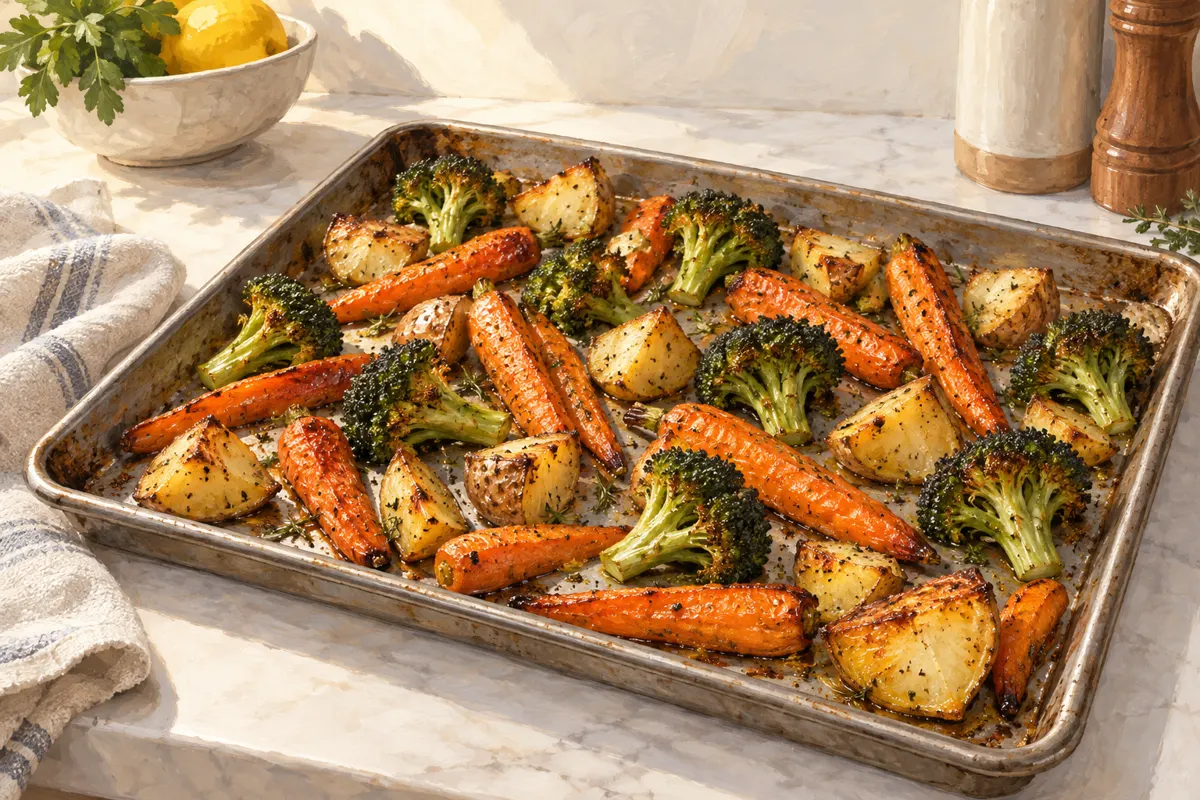
To keep roasted vegetables from turning soggy, dry them thoroughly, spread them in a single layer with gaps, and roast them in a fully preheated oven at 425°F. Cut each vegetable into even pieces and group ingredients by cooking time. These habits help moisture escape so the vegetables develop browned edges while becoming tender inside.
Dry vegetables before adding oil
Water left from washing adds moisture to the pan before roasting even begins. After rinsing your vegetables, pat them dry with a clean kitchen towel. Pay attention to broccoli and cauliflower florets, where droplets can remain tucked between branches. Dry the vegetables before tossing them with oil and seasonings.
Use enough olive or avocado oil to coat the surfaces without leaving the vegetables swimming in it. Toss thoroughly so the coating reaches all sides. Mushrooms and eggplant may need a little more oil than other vegetables, but a greasy puddle is not the goal. Salt and black pepper are enough for a basic batch.
Cut even pieces and match cooking times
Uniform pieces cook more evenly, so you are less likely to have soft, overdone pieces beside ones that are still hard. Keep carrot chunks similar to one another, potato pieces similar to one another, and florets reasonably consistent in size. Equal size does not mean every type of vegetable will finish together: dense roots generally need longer than softer vegetables.
- Asparagus and green beans: 10–15 minutes.
- Bell peppers, mushrooms, and zucchini: 15–20 minutes.
- Broccoli: 20–25 minutes.
- Carrots, cauliflower, Brussels sprouts, and butternut squash: 25–30 minutes.
- Potatoes and sweet potatoes: 30–40 minutes.
For a mixed batch, use separate pans or start the slower vegetables first and add the quicker ones later. Treat the times as guides; check for tender centers and browned edges. If carrots remain hard, they need more cooking time. Leaving already tender zucchini in the oven while waiting for them can turn it mushy.
Leave space on a shallow baking sheet
Choose a large rimmed baking sheet instead of a deep casserole dish. High sides can trap moisture, encouraging steaming. Spread the vegetables in one layer with visible gaps between pieces. Avoid piles and overlapping slices, even if squeezing everything onto one pan seems more convenient.
If the tray is crowded, divide the vegetables between two sheets or roast in batches. Extra cooking time alone will not correct the crowded arrangement: the vegetables may soften while you wait for browning. Before putting the tray in the oven, check that each piece has room around it.
Start with a hot oven and check the texture
- Preheat the oven fully to 425°F before putting in the baking sheet.
- Roast the vegetables uncovered, using the cooking range for the ingredients on that tray.
- Turn the pieces about halfway through their expected cooking time to encourage browning on both sides.
- Check near the lower end of the time range. Look for browned edges and test whether the center is tender.
- Remove vegetables as they finish instead of waiting for every ingredient to reach the same color.
The target is a tender interior with some crispness and browning around the edges. Do not keep roasting solely to chase a darker color if the vegetables are already becoming mushy. For the next batch, review surface moisture, spacing, and ingredient combinations before extending the cooking time.
Finish and reheat with texture in mind
Add finishing touches such as lemon juice, vinegar, dressing, or crumbled cheese after roasting. Serving sauces and dips alongside the vegetables lets you control how much you add. If using honey or maple syrup, add it toward the end of cooking because these sticky additions can burn and stick to the pan.
For leftovers, an oven, skillet, or air fryer is a better choice when you want to restore some crispness. Spread vegetables on a baking sheet and reheat at 350°F until heated through, about 10 minutes. Keep an air fryer basket uncrowded, too. Microwaving is convenient, but it can leave roasted vegetables softer.